
Science in the Pub

Discover, Explore

Archives October 2026

GLP-1 Weight-Loss Medicines: What the Science Says, and What Lifestyle Still Does Best

Clinical research scene showing metabolic health, appetite hormones, digestion and nutrition.

GLP-1 medicines have moved from specialist clinics into everyday conversation. You may know names like semaglutide or tirzepatide, but the more useful starting point is what this class of medicine is trying to do: support metabolic health by working with signals that influence appetite, digestion and blood sugar.

These medicines are not a shortcut around biology. They act on real hormone pathways, and for some people they can be part of a serious medical plan for obesity or type 2 diabetes. They also come with limits, side effects, access issues and important safety questions.

Healthy meal with digestive system and brain signal overlay representing appetite hormones.

What GLP-1 means in the body

GLP-1 is a hormone involved in appetite and glucose regulation. Medicines that mimic or build on this pathway can help some people feel fuller sooner and support better blood-sugar control. That is why the same broad area of research is relevant to diabetes, obesity, heart health and long-term metabolic risk.

The practical message is not that everyone needs medication. It is that weight, appetite and metabolism are not simply matters of willpower. They are shaped by hormones, sleep, stress, food environment, genetics, activity and medical history.

Approved medicine is different from lookalike products

One of the most important safety points is the difference between approved medicines and unapproved or compounded versions. The FDA has warned that unapproved GLP-1 products used for weight loss may carry dosing and quality risks, especially when people use products outside the approved label or without appropriate medical oversight.

If a medication is being considered, it should be discussed with a qualified clinician who can review medical history, other medicines, pregnancy plans, digestive symptoms, diabetes risk and ongoing monitoring. Online hype is not a substitute for that conversation.

Clinician and patient discussing medication, nutrition and activity for metabolic health.

Lifestyle still matters, even when medicine helps

Medication can change appetite signals, but the body still needs protein, fibre, micronutrients, movement and sleep. A sensible lifestyle plan helps protect muscle, support heart health, keep digestion steadier and make any weight change more sustainable.

The basics are not glamorous, but they are powerful: regular meals built around minimally processed foods, strength training, walking, adequate sleep and follow-up appointments. If side effects such as nausea, constipation or fatigue appear, they deserve proper medical advice rather than guesswork.

Health note: This article is general education. It is not personal medical advice. Always speak with a licensed health professional before starting, stopping or changing medication.

Sources and further reading

Your Gut Microbiome Is Not a Trend. It Is Part of How Your Body Works

Gut-friendly whole foods with microbiome science overlays in a kitchen setting.

The gut microbiome can sound like a wellness buzzword, but the science behind it is very real. Your body carries communities of bacteria, fungi, viruses and other microbes. They live in different places, including the skin, mouth and gut, and they interact with digestion, immunity and metabolism.

That does not mean every probiotic claim is proven or that one food can transform your health overnight. The microbiome is complex. It changes with diet, medication, infection, sleep, stress, age and environment. The useful question is simpler: what daily habits tend to support a more resilient gut environment?

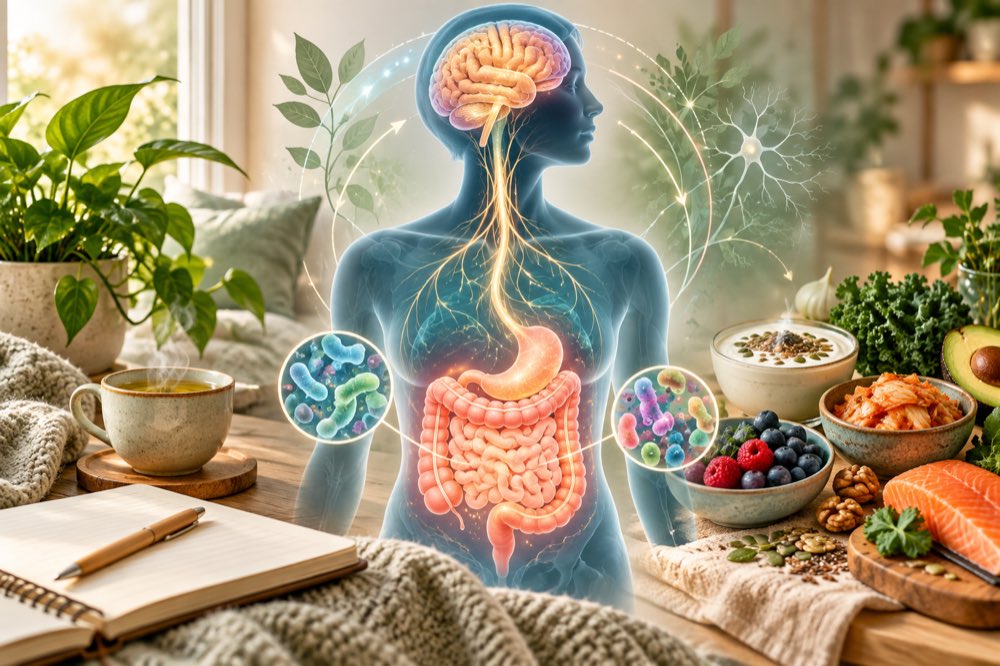
Gut and brain communication shown with digestive wellness foods and lifestyle cues.

Why microbes matter

Gut microbes help break down parts of food that the body cannot digest on its own. They are also involved in immune signalling and the production of compounds that may influence inflammation and metabolism. Researchers are still learning where the strongest cause-and-effect links are, so it is best to avoid miracle claims.

What is clear is that a diverse, fibre-rich diet gives gut microbes more to work with. Beans, oats, lentils, vegetables, fruit, nuts, seeds and whole grains all bring different fibres and plant compounds to the table.

Think pattern, not perfection

A gut-supportive way of eating is less about chasing one special ingredient and more about repeating useful patterns. Add a fibre source to most meals. Include fermented foods if you enjoy them and tolerate them. Drink enough fluid. Give your digestive system a routine it can trust.

Hands preparing a lentil and vegetable bowl for gut-friendly everyday eating.

For some people, sudden increases in fibre can cause bloating or discomfort. A gentler approach is to build up slowly: add a spoonful of beans, a piece of fruit, a handful of oats or an extra serving of vegetables, then let the body adjust.

Antibiotics, symptoms and sensible caution

Antibiotics can be lifesaving, and they should be used when clinically needed. They can also affect microbial communities, which is one reason they should be taken as prescribed rather than casually. Persistent digestive symptoms, unexplained weight loss, blood in stool or severe pain should be discussed with a clinician.

Health note: This article is general education and does not diagnose digestive conditions. Speak with a health professional for personal advice.

Sources and further reading

Sleep Is Not Downtime. It Is Body Maintenance

Peaceful sleep scene with subtle brain, heart and cellular repair overlays.

Sleep is easy to treat as the first thing to sacrifice when life gets busy. The body sees it differently. Sleep supports memory, mood, immune function, blood pressure, metabolism and recovery. It is one of the most ordinary health habits, and one of the most underestimated.

Adults generally need at least seven hours of sleep a night. Not everyone gets that, and the reasons are not always simple. Shift work, caring responsibilities, pain, stress, snoring, screens, caffeine, alcohol and irregular schedules can all interfere.

Calm evening bedroom routine with book, tea and phone set aside.

What happens when sleep is short

Short sleep is linked with several health problems, including higher risk patterns around blood pressure, heart health, mood and metabolism. That does not mean one bad night ruins your health. It means that sleep deserves a place beside food, movement and medical care in any serious wellness conversation.

A better night starts before bedtime

A useful sleep routine is not about making life perfect. It is about giving the brain consistent cues. Try a regular wake time, morning light exposure, a wind-down period, a cooler dark room, and a boundary around late-night scrolling. Even small changes can make the night feel less like a fight.

Person opening curtains to morning light with circadian rhythm science overlay.

Caffeine timing matters too. Some people can drink coffee late and sleep well, but many cannot. Alcohol may make people feel sleepy at first, yet it can fragment sleep later in the night. If sleep feels fragile, these are worth reviewing honestly.

When sleep needs medical attention

Loud snoring, choking or gasping during sleep, severe daytime sleepiness, morning headaches or high blood pressure can point to sleep apnea or another sleep disorder. Those symptoms are worth discussing with a clinician, because better sleep can become part of broader health protection.

Health note: This article is general education. It is not a diagnosis or treatment plan.

Sources and further reading

Movement Is Medicine, but It Does Not Have to Look Like a Gym Advert

Diverse adults strength training with resistance bands and light weights for heart health.

Physical activity is one of the best-studied ways to support long-term health, but the conversation around it can become strangely narrow. Movement is not only intense workouts, expensive kit or dramatic before-and-after photos. It is walking, lifting, carrying, gardening, dancing, cycling, stretching, taking the stairs and building strength in ways that fit real life.

The World Health Organization notes that regular physical activity supports physical and mental health and helps prevent or manage conditions such as cardiovascular disease, diabetes and some cancers. Just as important, some activity is better than none.

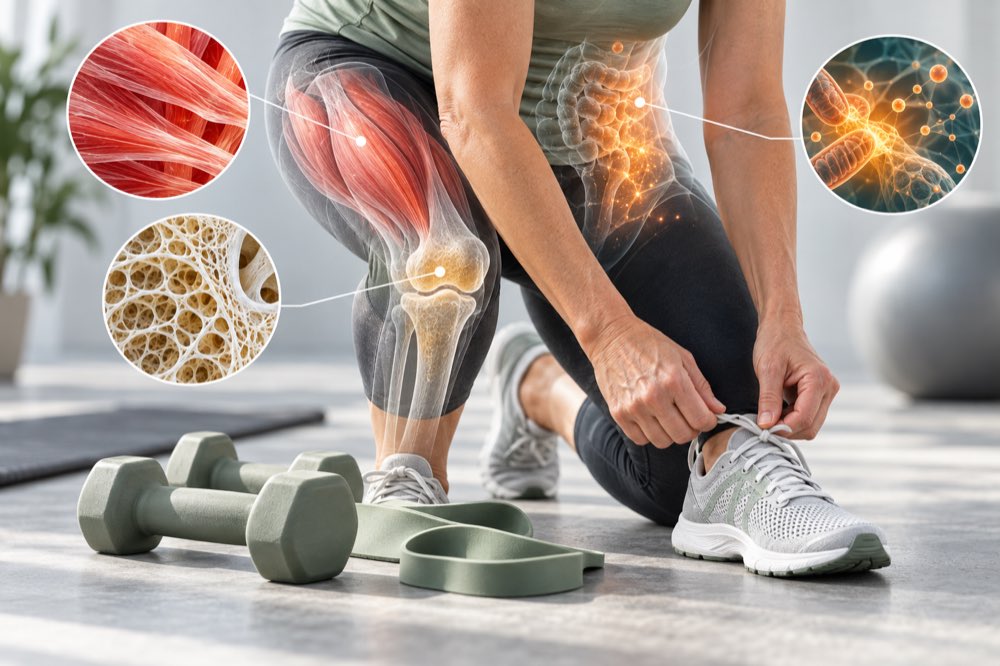
Adult tying trainers beside dumbbells with muscle, bone and metabolism overlays.

Why strength matters

Strength training is not only for athletes. Muscles help with balance, blood-sugar handling, joint support and independence as we age. Bones also respond to load. That can mean weights, resistance bands, bodyweight exercises or supervised programmes adapted to ability.

A sensible start might be two short sessions a week, focused on major muscle groups and safe technique. People with heart disease, pain, pregnancy, dizziness or complex medical conditions should get tailored guidance before changing activity sharply.

Walking still counts

Brisk walking is simple, but it is not trivial. It can support cardiovascular fitness, mood, blood pressure and routine. It is also flexible: ten minutes after meals, a walk with a friend, a slightly longer route to the shop, or a weekend park loop all count.

Diverse adults walking briskly in a park with heart health visual overlay.

The most sustainable activity plan is usually the one that survives an ordinary week. Start smaller than your motivation. Repeat it. Then build.

Less sitting helps too

Exercise matters, but so does breaking up long sitting. Standing, stretching, walking to make a drink or taking short movement breaks can make an inactive day less static. The goal is not perfection. It is a body that gets regular chances to move.

Health note: This article is general education. If you have medical concerns, ask a qualified professional what level of activity is appropriate for you.

Sources and further reading