

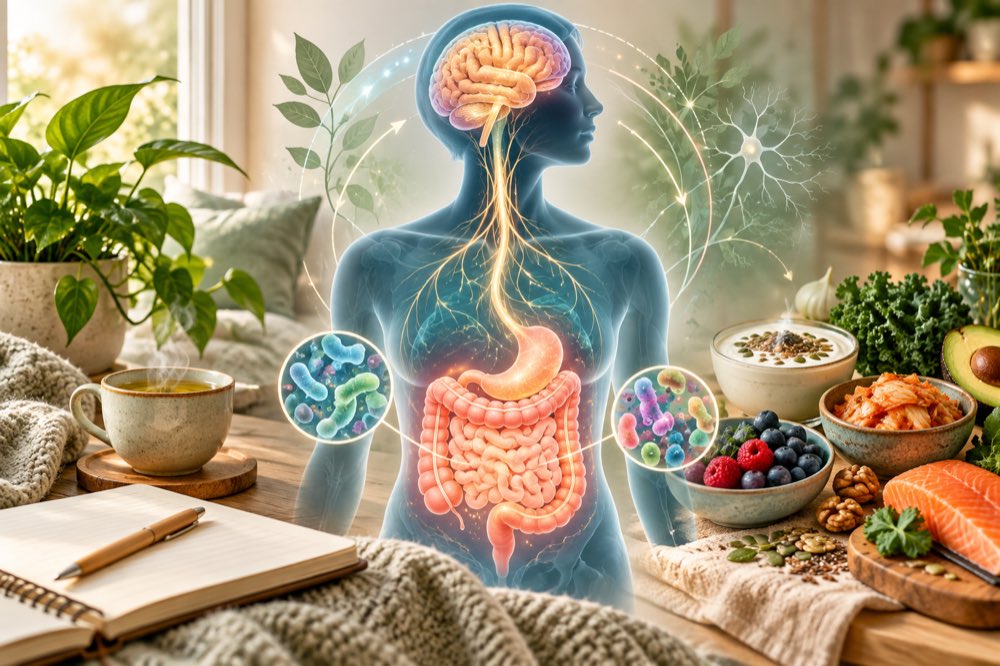
The gut microbiome can sound like a wellness buzzword, but the science behind it is very real. Your body carries communities of bacteria, fungi, viruses and other microbes. They live in different places, including the skin, mouth and gut, and they interact with digestion, immunity and metabolism.
That does not mean every probiotic claim is proven or that one food can transform your health overnight. The microbiome is complex. It changes with diet, medication, infection, sleep, stress, age and environment. The useful question is simpler: what daily habits tend to support a more resilient gut environment?
Why microbes matter
Gut microbes help break down parts of food that the body cannot digest on its own. They are also involved in immune signalling and the production of compounds that may influence inflammation and metabolism. Researchers are still learning where the strongest cause-and-effect links are, so it is best to avoid miracle claims.
What is clear is that a diverse, fibre-rich diet gives gut microbes more to work with. Beans, oats, lentils, vegetables, fruit, nuts, seeds and whole grains all bring different fibres and plant compounds to the table.
Think pattern, not perfection
A gut-supportive way of eating is less about chasing one special ingredient and more about repeating useful patterns. Add a fibre source to most meals. Include fermented foods if you enjoy them and tolerate them. Drink enough fluid. Give your digestive system a routine it can trust.
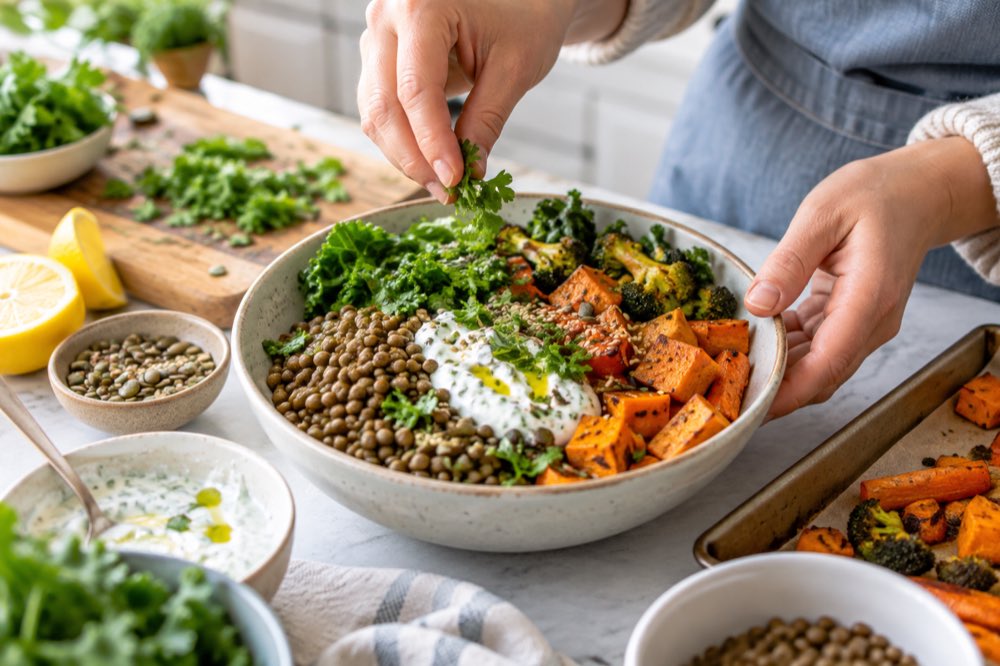
For some people, sudden increases in fibre can cause bloating or discomfort. A gentler approach is to build up slowly: add a spoonful of beans, a piece of fruit, a handful of oats or an extra serving of vegetables, then let the body adjust.
Antibiotics, symptoms and sensible caution
Antibiotics can be lifesaving, and they should be used when clinically needed. They can also affect microbial communities, which is one reason they should be taken as prescribed rather than casually. Persistent digestive symptoms, unexplained weight loss, blood in stool or severe pain should be discussed with a clinician.
Health note: This article is general education and does not diagnose digestive conditions. Speak with a health professional for personal advice.
