
Physical activity is one of the best-studied ways to support long-term health, but the conversation around it can become strangely narrow. Movement is not only intense workouts, expensive kit or dramatic before-and-after photos. It is walking, lifting, carrying, gardening, dancing, cycling, stretching, taking the stairs and building strength in ways that fit real life.
The World Health Organization notes that regular physical activity supports physical and mental health and helps prevent or manage conditions such as cardiovascular disease, diabetes and some cancers. Just as important, some activity is better than none.
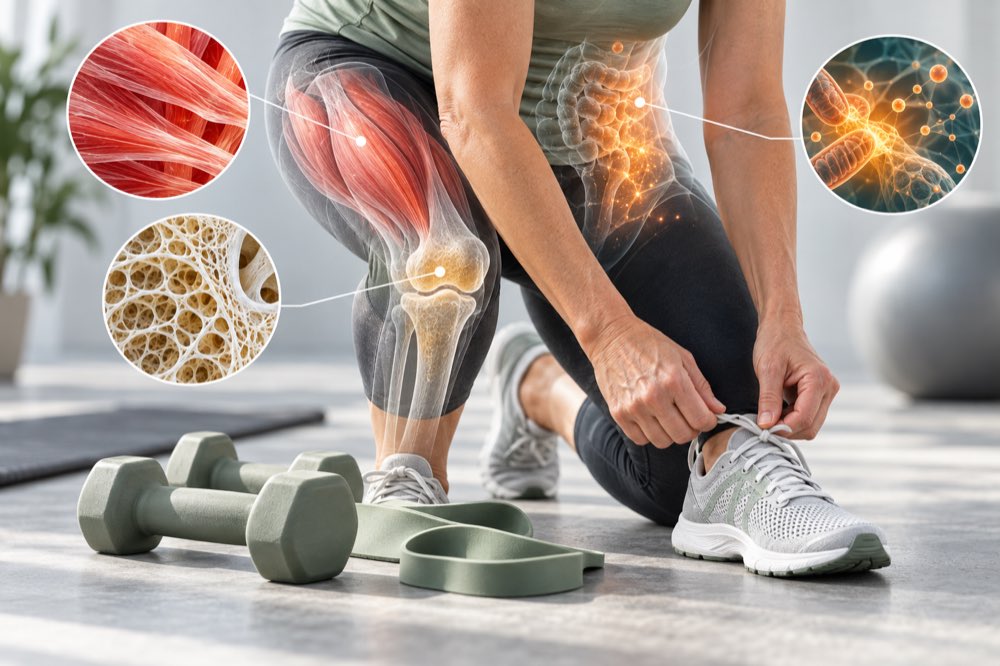
Why strength matters
Strength training is not only for athletes. Muscles help with balance, blood-sugar handling, joint support and independence as we age. Bones also respond to load. That can mean weights, resistance bands, bodyweight exercises or supervised programmes adapted to ability.
A sensible start might be two short sessions a week, focused on major muscle groups and safe technique. People with heart disease, pain, pregnancy, dizziness or complex medical conditions should get tailored guidance before changing activity sharply.
Walking still counts
Brisk walking is simple, but it is not trivial. It can support cardiovascular fitness, mood, blood pressure and routine. It is also flexible: ten minutes after meals, a walk with a friend, a slightly longer route to the shop, or a weekend park loop all count.

The most sustainable activity plan is usually the one that survives an ordinary week. Start smaller than your motivation. Repeat it. Then build.
Less sitting helps too
Exercise matters, but so does breaking up long sitting. Standing, stretching, walking to make a drink or taking short movement breaks can make an inactive day less static. The goal is not perfection. It is a body that gets regular chances to move.
Health note: This article is general education. If you have medical concerns, ask a qualified professional what level of activity is appropriate for you.
